
When a project involves 100,000 individual units, the challenge is not simply finding enough hands. The real work is designing a process that can be taught, measured, improved, and repeated without sacrificing quality.
For this project, our team needed to open cartons, apply a patch to each plush item, return the finished units to their packaging, and prepare the inventory for ongoing fulfillment. The full scope represented approximately 1,563 cartons across 76 pallets.
The first time study changed the entire plan
Our initial process took roughly 13 minutes per carton. At that speed, the labor requirement across the project was substantial. More importantly, simply adding people would have multiplied the inconsistencies in the original process.
We broke the workflow into individual movements: opening cartons, staging products, applying patches, verifying placement, reboxing, and moving completed cartons. That made bottlenecks visible. After changing the workstation layout and separating repeatable tasks, we brought the average down to about 7–8 minutes per carton.
Scaling warehouse work is not about asking people to move faster. It is about removing the steps that should not be there.
Five lessons I would carry into any large kitting project
1. Build the sample process before building the labor plan
A quote based only on total units can be misleading. Test the actual components, packaging, tools, and quality requirements first. A realistic time study gives you a better labor plan and gives the client a clearer expectation.
2. Design stations around product movement
Every unnecessary reach, walk, handoff, or search becomes expensive when it is repeated thousands of times. Supplies should arrive at the station in the order they are used, and completed work should leave without crossing incoming inventory.
3. Separate speed from quality
Faster does not help if finished units need rework. We use simple quality checkpoints so the operator completing a task is not the only person verifying it. Clear placement standards and approved samples keep the result consistent.
4. Plan for the warehouse space, not just the assembly table
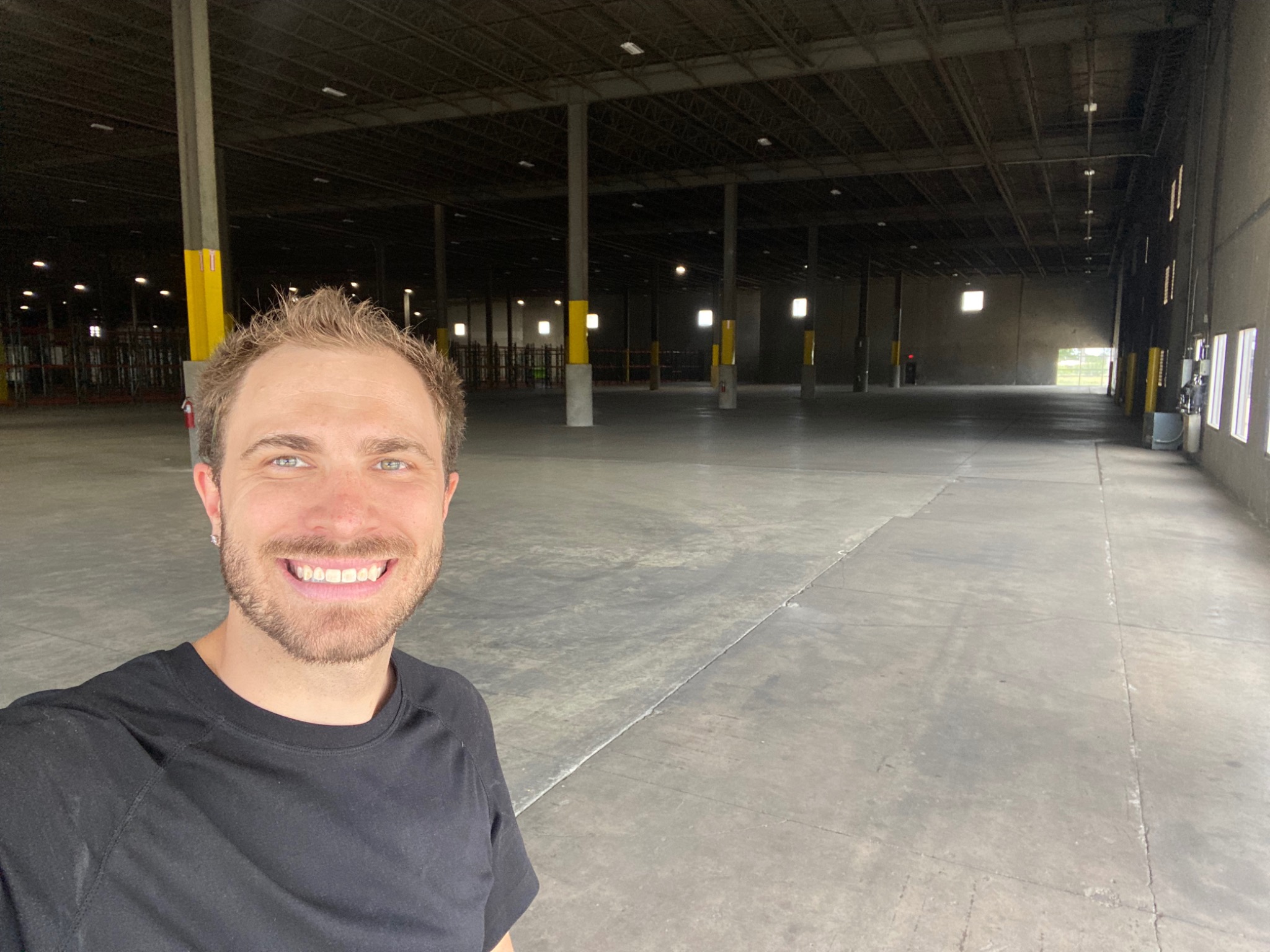
Seventy-six pallets affect receiving, storage, work-in-process staging, finished-goods storage, and outbound movement. The project plan has to account for the entire physical flow—not only the hands-on production time.
5. Recalculate as the real process improves
The first estimate is a starting point. Once a team develops a rhythm, actual production data should update staffing, scheduling, and pricing decisions. That is how a difficult one-time project becomes a repeatable operating capability.
What this means for growing brands
If your brand is considering a large kitting, relabeling, assembly, or product-personalization project, ask potential fulfillment partners how they test the process. The strongest answer is not a promise to “handle it.” It is a clear explanation of the sample run, labor assumptions, quality checks, space plan, and reporting.
At Fulfillment Heros, we use real warehouse data to shape the workflow. That approach helps us support both large project volumes and the ongoing fulfillment that comes after the initial build.

ABOUT THE AUTHOR
Nathan Ottrock
Nathan is the founder of Fulfillment Heros, a Texas-based 3PL serving ecommerce brands, agencies, subscription programs, and custom projects nationwide.
Meet Nathan →